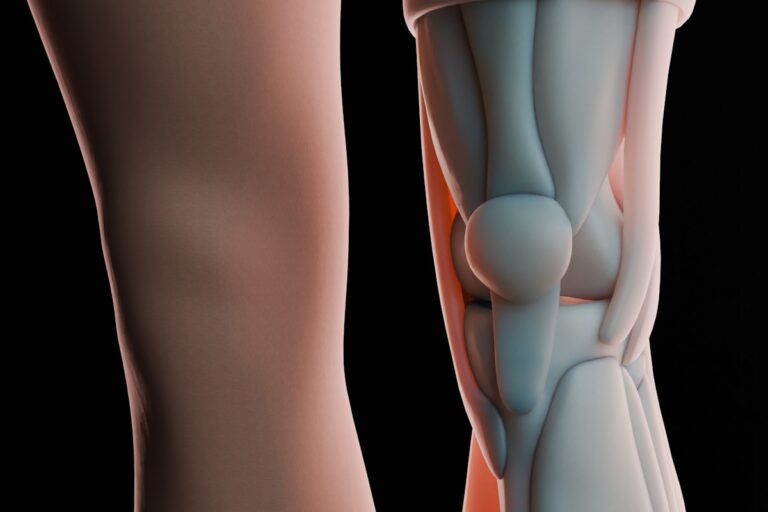
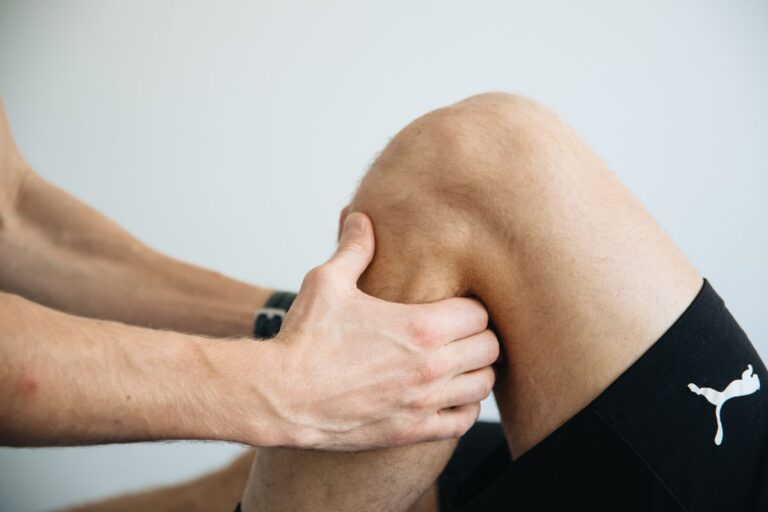
Cortisone shots and blood sugar are connected, and if you live with diabetes that connection is worth understanding before your appointment rather than after it. Yes, a cortisone injection can push your glucose readings up. Cortisone is a corticosteroid, and corticosteroids prompt the liver to release more glucose while making your cells temporarily less responsive to insulin. That happens even when the shot goes into a knee, a shoulder or a hip, because a portion of the medication is absorbed into the bloodstream.
The rise is temporary. It does not undo your long term diabetes control, and for most people it fades within a few days. But it is real, it is measurable, and it is the single most common question we get from patients who are weighing a steroid injection for joint pain.
Here is the short version. Readings usually climb within the first day, most often peak somewhere between 24 and 72 hours, and settle back toward your normal range after that. How far they climb depends heavily on how well controlled your diabetes already is and on the steroid dose. And knowing all of this does not mean you have to give up injection relief for your joint, because cortisone is only one of several injectables we use at Regenerative Joint Clinics in Riverdale, Georgia, and two of them contain no steroid at all.
Near Riverdale, GA?
We treat knees, shoulders, hips and backs without surgery at one clinic on Upper Riverdale Road. Send the form or call and our team will confirm your visit.
483 Upper Riverdale Road SW, Suite F, Riverdale, GA 30274. Most major insurance and Medicare accepted. PRP is typically elective and not covered by most plans, and our team can walk you through payment plans through Pathways.
Why this question comes up so often
Arthritis and diabetes travel together far more than most people expect. According to the CDC, writing in Morbidity and Mortality Weekly Report on November 9, 2018 and drawing on National Health and Nutrition Examination Survey data from 2009 to 2016, 42.0 percent of American adults with diabetes also have arthritis, roughly 13 million people.
So the patient sitting in our Riverdale exam room with a painful, stiff knee is very often the same patient checking a glucose meter twice a day. That overlap is why we treat the cortisone shots and blood sugar conversation as a routine part of planning an injection, not an afterthought.
How do cortisone shots and blood sugar interact in the body?
Corticosteroids do two things at once that matter for glucose. They signal the liver to produce and release more sugar into the blood, and they blunt how efficiently muscle and fat cells take that sugar back up in response to insulin. In a person without diabetes, the pancreas quietly compensates and nothing noticeable happens. In a person with diabetes, that compensation is already limited, so the extra glucose shows up on the meter.
An injection placed into a joint is not sealed off from the rest of you. Some of the steroid stays local, which is the point, and some enters the general circulation. That is why a knee injection can move a reading taken from your fingertip.

How high does it go, and for how long?
This is where published numbers help more than reassurance does. American Family Physician, in its September 2023 clinical inquiry on steroid injections and glucose, reports that after an intra articular steroid injection blood glucose may reach peak values of 165 to 500 mg/dL somewhere between 2 and 84 hours later, returning to baseline in anywhere from 18 hours to 21 days. That is a wide range, and the width is the point: individual responses vary a great deal.
A 2026 review in Interventional Pain Medicine narrows the practical window. It found that peak increases after intra articular injection occur most frequently within 24 to 72 hours. In one small continuous glucose monitoring study it cites, 4 of 25 patients developed new onset glucose above 350 mg/dL in the early period after injection, and in all four the severe elevation was brief. The same review reports that higher steroid doses produced larger and longer glucose increases.
Two honest takeaways sit inside those numbers. First, most of the risk is concentrated in a short, predictable window. Second, a small number of people have a sharp response, which is why the guidance around cortisone shots and blood sugar is to measure rather than to assume.

What should you do before the injection?
Four things, and none of them are complicated. Handled up front, they turn cortisone shots and blood sugar from an unknown into something you have already planned for.
- Tell us you have diabetes, what you take for it, and roughly where your last A1c landed. This changes how we plan the injection and sometimes changes which injection we recommend.
- Tell the clinician who manages your diabetes that a steroid injection is scheduled. Ask them directly whether they want you to adjust anything, and follow their answer, not ours.
- Have testing supplies on hand for three days. If you normally check once a day, plan on checking more often through day three.
- Know your own warning signs. Extreme thirst, frequent urination, blurred vision or unusual drowsiness after an injection are reasons to call your diabetes clinician promptly rather than wait it out.
The 2026 Interventional Pain Medicine review also suggests postponing an elective steroid injection when blood glucose sits above 180 mg/dL on the day of the procedure, and using the lowest effective steroid dose. Both are reasonable, and both are things we can discuss at your evaluation.
What to watch in the 72 hours after
Check more often than usual, write the numbers down, and share them with your diabetes clinician if anything looks unfamiliar. American Family Physician specifically advises that patients with poorly controlled diabetes be told about the possibility of transient high glucose after an injection and monitor closely on days 1 through 3.
Writing the readings down matters more than it sounds. It turns a vague worry into a record. If you ever need a second steroid injection, that record tells everyone involved how your body actually responded the first time, which is far more useful than a general statistic about cortisone shots and blood sugar.
What non steroid injection options do we offer in Riverdale?
This is the part most articles on cortisone shots and blood sugar leave out. If the glucose rise is a genuine problem for you, there may be a different injection that fits your joint. Our injectable menu at the Riverdale clinic is deliberately broader than cortisone alone.
- Hyaluronic acid, also called gel injections. A lubricating supplement to the fluid inside the joint, used for the knee and the shoulder, given as a single injection or a short series. No corticosteroid is involved.
- Platelet rich plasma, or PRP. Concentrated from a small sample of your own blood and placed back into the joint under image guidance. Again, no steroid. PRP is typically elective and is not covered by most plans, so we go over cost with you before anything is scheduled.
- Sarapin. A non steroidal botanical injectable that we keep on hand for chronic joint and nerve related pain. It is uncommon. Most clinics in the south metro do not stock it, and it exists on our menu specifically because not every patient can or should take a steroid.
- Joint aspiration. Drawing off excess fluid from a swollen joint. It is a procedure rather than a drug, and for a knee that is tight with fluid it can relieve pressure without introducing anything that touches your glucose.
Every one of these is delivered with image guidance, which for us usually means fluoroscopy or diagnostic musculoskeletal ultrasound, so the medication reaches the target rather than the tissue around it. And injections are only one layer. A plan can also include unloader knee bracing or back bracing, physical therapy, and weight management guidance. Bracing coverage depends on your plan and is confirmed before anything is ordered.
When is cortisone still the right call?
Often. It would be a disservice to talk you out of a useful option because of a three day glucose bump. Cortisone works quickly, it calms an acutely inflamed joint, and sometimes that fast relief is what makes it possible to start moving, start therapy, or get through a specific event. We limit how often we repeat it, generally around three to four injections per joint per year, because frequency matters for joint tissue over time. Weighing cortisone shots and blood sugar against that kind of relief is a trade, and for plenty of patients the trade is worth making.
The useful framing is not steroid versus no steroid. It is short term calm versus longer term joint support, and many patients end up using both at different points. If you want that comparison laid out properly, we have written it up in more detail in our guide to cortisone versus PRP injections, and in our broader look at the role of cortisone injections in managing chronic joint pain.
One more thing worth saying plainly, because it comes up. Losing weight helps knee pain independently of any injection, and it tends to help glucose control at the same time. If that is relevant to you, our piece on what ten pounds actually does for knee pain is a practical place to start.
Frequently asked questions
Do cortisone shots raise blood sugar in everyone with diabetes?
Not in everyone, and not by the same amount. The rise tends to be larger when diabetes is already poorly controlled and when the steroid dose is higher. Some patients with well managed type 2 diabetes see only a modest bump for a day or two. The honest answer is that you cannot predict your own response in advance, which is exactly why checking more often for three days is the standard advice rather than skipping the injection.
How long do cortisone shots and blood sugar changes usually last?
American Family Physician reports that glucose peaks between 2 and 84 hours after an intra articular steroid injection and returns to baseline anywhere from 18 hours to 21 days later. The 2026 Interventional Pain Medicine review found the peak most often lands within 24 to 72 hours. For most people the practical window to watch is the first three days.
Should I stop my diabetes medication before a cortisone injection?
No. Never change a diabetes medication on your own. Some clinicians temporarily adjust a dose around an injection, but that decision belongs to the clinician who manages your diabetes, not to us and not to you. Tell that clinician the injection is scheduled and ask what they want you to do.
Is there a joint injection that does not affect blood sugar?
Hyaluronic acid gel injections, platelet rich plasma and Sarapin contain no corticosteroid, so they do not carry the steroid driven glucose rise. That does not make them the right choice for every joint or every problem. Which one fits depends on your diagnosis, your imaging and what you have already tried.
Can I still get a cortisone shot if my A1c is high?
Sometimes, with planning. The 2026 Interventional Pain Medicine review suggests postponing an elective steroid injection when blood glucose is above 180 mg/dL on the day of the procedure, and using the lowest effective dose. If your numbers run high, bring that up at your evaluation so we can look at the non steroid options with you.
Talk it through before you decide
The right answer on cortisone shots and blood sugar is personal. It depends on your joint, your diagnosis, your current control and what you have already tried. That is a conversation, not a web page.
Regenerative Joint Clinics is at 483 Upper Riverdale Road SW, Suite F, Riverdale, GA 30274. You can reach us at (470) 895-0610 or contact@regenerativejointclinics.com, or request an evaluation here. Bring your recent glucose readings and your medication list. We are a non surgical practice, evaluations are done in person, and we will tell you honestly if an injection is not the right next step for you.
This article is for general education and is not medical advice. It does not replace an evaluation by a licensed clinician, and nothing here should be used to change a diabetes medication. Regenerative Joint Clinics does not manage diabetes; please work with the clinician who does. Always consult your healthcare provider before starting any new treatment.