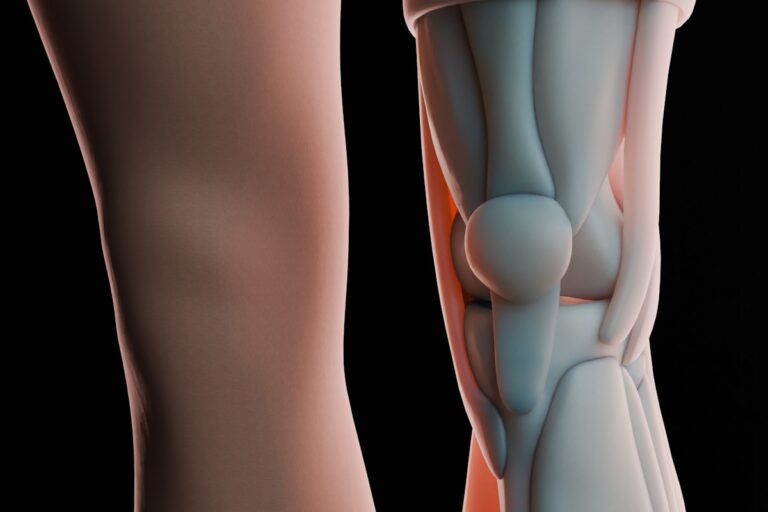
Cortisone shots for knee pain are one of the most common treatments for an arthritic knee, and the question patients ask most is simple: how long will the relief last? Here is the honest short answer. A cortisone shot can calm the pain quickly, but the relief is temporary. For most people with knee osteoarthritis, a cortisone injection eases pain for a few weeks up to about three months, and then the effect fades. The shot does not repair the joint. It quiets the inflammation that is making the knee hurt right now.
That is exactly how we use it at Regenerative Joint Clinics in Riverdale, GA. A steroid injection is a fast way to settle a painful flare so you can move, sleep, and get through the next few weeks. We treat that window as a starting point, not the whole plan, and we map out what comes next with you instead of repeating the same shot over and over.
This guide answers the questions patients ask us most about cortisone shots for knee pain: how long the relief lasts, how soon it starts working, whether it truly helps, how often you can safely get one, and what your longer lasting options are once it wears off.
Near Riverdale, GA?
Regenerative Joint Clinics treats knee arthritis without surgery at our Riverdale office. Call (470) 895-0610 or book a knee evaluation to talk through your options. Most major medical plans and Medicare are accepted; PRP is usually an out of pocket option.
What is a cortisone shot, and what does it do for the knee?
A cortisone shot, also called a corticosteroid or steroid injection, places a strong anti inflammatory medicine directly into the knee joint. It is one of the cortisone injections we offer at our Riverdale clinic for fast, short term relief of an inflamed, swollen knee.
What a cortisone shot does is calm inflammation. What it does not do is rebuild cartilage or change the underlying structure of the joint. That distinction matters, because it explains both why the shot can work so well in the short run and why the relief does not last forever. Many providers mix in a small amount of local anesthetic, which is why the knee can feel noticeably better within minutes of the injection.
How long does a cortisone shot last in the knee?
Relief varies widely from one person to the next. Across clinical sources, pain relief from a knee cortisone injection usually runs from a few weeks up to about three months, and averages closer to two to four weeks for osteoarthritis as a whole. Some people feel better for only a week or two; others stay comfortable for several months. A plain overview of these timeframes is available from Healthline.
What decides where you land in that range is how much of your knee pain comes from inflammation versus how much comes from the joint simply wearing down. When swelling and an active flare are driving the pain, cortisone often does its best work. In a knee that is closer to bone on bone, where the discomfort is mostly mechanical, the same shot tends to give the shortest relief. In our experience at the clinic, those are the knees where it makes the most sense to look early at offloading the joint and at longer lasting injections rather than relying on repeated steroids.

How soon does a cortisone shot start working?
There are really two stages. The first is the numbing effect of the local anesthetic mixed into the injection, which can make the knee feel better almost right away, within minutes to a few hours. That early comfort is not the steroid yet.
The cortisone itself takes longer to kick in, usually somewhere between 24 and 72 hours, and occasionally up to a week. A smaller number of people notice a brief ache or warmth in the joint during the first day or two, sometimes called a steroid flare. It typically settles on its own with rest and ice, and the real relief follows once the medicine takes hold.
What to expect the day of the injection
The appointment itself is quick. After an evaluation of your knee, the skin is cleaned, the area is often numbed, and the medicine is placed into the joint. Many providers use ultrasound or another form of guidance to position the needle accurately. The injection takes only a few minutes, and most people drive themselves home afterward.
For the first day or two it is sensible to take it easy. Avoid hard exercise, heavy lifting, and long periods on your feet, and use ice if the knee feels sore. Gentle movement is fine and usually encouraged. Watch for any sign of a problem such as spreading redness, significant swelling, or fever, which is uncommon but worth a call to the clinic. Most people are back to their normal routine within a day or two and begin to notice the steroid working soon after.

Does a cortisone shot actually work for knee arthritis?
For the right situation, yes, and often very well in the short term. A cortisone injection is one of the more reliable ways to quiet a painful, inflamed knee quickly, which is why it remains a standard option for arthritis flares.
The honest caveat is that it works best when inflammation is the main problem, such as a swollen knee with extra fluid. It helps less, and for less time, when the pain is coming from advanced cartilage loss. It also does not slow the arthritis itself, and repeating it frequently over long stretches does not change the course of the disease. So the realistic way to think about a cortisone shot is as a useful tool for calming flares and buying comfortable time, not as a fix for the joint.

Who is a good candidate for a cortisone shot?
A cortisone shot tends to help most when inflammation is clearly part of the problem. If your knee is swollen, warm, or flaring after activity, and the pain has come on recently rather than grinding away for years, a steroid injection can settle things quickly. It is also a reasonable choice when you need a window of relief for a specific reason, such as a trip, a family event, or getting through physical therapy more comfortably while a longer term plan takes hold.
It is a weaker fit when the pain comes mostly from advanced wear rather than swelling. In a knee that is close to bone on bone, a shot may still take the edge off, but the relief is usually shorter, and leaning on repeated injections is not a long term answer. A few situations also call for extra caution: an active infection anywhere near the joint, diabetes that is hard to control, where a temporary blood sugar rise is a bigger concern, and a pattern of already getting frequent shots in the same knee. None of these automatically rule a cortisone shot out, but each is worth talking through before you book one.
The most useful way to think about it is not shot or no shot, but where a shot fits in your plan. For many people the honest answer is that a cortisone injection earns its place as a fast reliever during a flare, while the knee also needs something aimed at the months ahead. That is the conversation we have at an evaluation, where we look at your whole knee, your activity level, and your health history rather than reaching for the same injection every visit.
How often can you get cortisone shots in your knee?
Most clinicians limit steroid injections to roughly three to four times per year in any one joint, with at least about twelve weeks between shots. The reason for the spacing is that frequent steroid exposure can affect cartilage and nearby soft tissue over time, and each injection can briefly raise blood sugar, which matters if you have diabetes. We follow that same limit at Regenerative Joint Clinics.
If you find that you are reaching for a cortisone shot every few months just to keep the pain manageable, we read that as a signal rather than a routine to continue. It usually means the knee needs a broader plan, and that is the point where we talk about options that aim for more durable relief. For patients managing blood sugar, our guide on cortisone shots and blood sugar walks through what to expect.
What are the risks and downsides?
Cortisone injections are generally safe when they are spaced out, but they are not free of trade offs. The most common one is simply that the relief is temporary. Beyond that, some people experience a short steroid flare, a temporary rise in blood sugar, minor skin or fat changes at the injection site, and, rarely, a joint infection. The concern that gets the most attention is that getting shots too frequently may, over time, be hard on the cartilage. None of this makes cortisone a poor choice for an occasional flare. It is a reason to use it thoughtfully and to pair it with a plan that does more than mask the pain.
What comes next when a cortisone shot wears off?
This is where our approach differs from simply booking the next steroid injection. At Regenerative Joint Clinics we build a Targeted Restoration Protocol, a step by step plan that uses cortisone for fast flare relief while adding options designed to last longer and to protect the joint. Depending on your knee, that plan can include:
- Hyaluronic acid gel injections, which lubricate and cushion the knee and often hold up longer than a steroid shot.
- PRP (platelet rich plasma) therapy, a regenerative option that uses the growth factors in your own blood to support the joint.
- An unloader knee brace, which shifts weight away from the worn part of the knee so you lean on the shot less.
- Physical therapy by referral, along with activity and weight guidance that takes load off the joint.
Cortisone, gel injections, PRP, and bracing are not competitors on this list. They do different jobs, and the goal is to sequence them so you get quick relief now and steadier comfort over the months that follow. That is the plan we work out at a knee evaluation rather than defaulting to the same injection on repeat.
One comparison comes up often: cortisone versus PRP. The short version is that cortisone is the faster, cheaper reliever that fades, while PRP works more slowly but aims at the joint itself and can last longer. They are not an either or choice for everyone, and the right pick depends on your knee and your goals. Our guide on cortisone versus PRP injections walks through how we weigh one against the other, and a knee evaluation is where we match the plan to you.
Questions worth asking before your shot
A short conversation up front makes a cortisone shot work better for you. Before you agree to one, it is fair to ask your provider:
- Is my knee pain mostly from inflammation, or from wear that a shot will not touch?
- How long do you expect the relief to last for a knee like mine?
- How many steroid injections have I already had in this knee this year?
- If the relief is short, what is the next step in my plan?
- Will this raise my blood sugar, and does that matter for me?
- Would a longer lasting option such as gel injections or PRP fit better right now?
Good answers to those questions turn a one off injection into part of a real plan. That is the kind of discussion we aim for at every knee evaluation, so you leave knowing not only what a cortisone shot can do today, but what comes after it.
Can a cortisone shot help you delay knee surgery?
Many people ask whether cortisone can keep them out of the operating room. On its own, a cortisone shot does not prevent or reverse arthritis, so it is not a substitute for surgery when a knee is truly at the end of the road. What it can do is buy comfortable time. For someone who is not ready for a knee replacement, or who simply wants to exhaust the non surgical options first, well timed injections can be part of a plan that keeps the knee working while other treatments do the heavier lifting.
That is the whole idea behind the way we practice. Surgery is not the only path, and for a lot of knees it is not the first one either. Cortisone calms the flares, gel injections and PRP target the joint, an unloader brace takes load off the worn side, and strengthening through physical therapy by referral supports everything around the knee. Stacked together and sequenced well, those tools help many people stay active and put off a replacement they were told was unavoidable. No shot or brace can promise that outcome, but it is a goal worth planning toward.
If you have already been given a surgery date and want to understand your other choices first, a second look is worth your time. Our guide on getting a second opinion before knee replacement covers what to ask, and a knee evaluation is where we build the non surgical plan around your knee.
Cortisone shots for knee pain in Riverdale, GA
If a cortisone shot has helped your knee in the past but the relief is getting shorter, or you simply want to understand all of your non surgical choices, that is worth a conversation. We will look at what is actually driving your pain and build a plan around it. You can reach our Riverdale office at (470) 895-0610, book a knee evaluation online, or send a message through our contact page.
Frequently asked questions
How long does a cortisone shot last in the knee?
For most people with knee osteoarthritis, relief lasts from a few weeks up to about three months, with an average closer to two to four weeks. Knees driven by inflammation tend to respond longest; bone on bone knees tend to respond for the shortest time.
How many cortisone shots can I get in a year?
Usually no more than three to four in the same knee per year, spaced at least about twelve weeks apart, to limit the effect on cartilage and on blood sugar.
Will a cortisone shot cure my knee arthritis?
No. It calms inflammation and eases pain for a while, but it does not repair cartilage or stop arthritis. It is best used to settle flares while a longer term plan is put in place.
Does Medicare or insurance cover a cortisone shot?
A knee steroid injection is commonly covered, but coverage depends on your specific plan. We confirm your benefits before anything is scheduled so there are no surprises.
What if cortisone no longer helps my knee?
That is a common turning point, and it usually means the knee needs more than steroids. Options such as gel injections, PRP, and an unloader brace are designed for more durable relief, and we can review which fit your knee.
This article is for general education and is not medical advice. Consult your healthcare provider before starting any new treatment.