What Are the New Treatments for Osteoarthritis of the Knee?
New treatments for osteoarthritis of the knee have expanded significantly beyond traditional cortisone injections and total knee replacement. Today, patients have access to non-surgical options including platelet-rich plasma (PRP) therapy, hyaluronic acid viscosupplementation, unloader knee bracing, and physical therapy (by referral) programs that can reduce pain and improve mobility without the risks of surgery.
Approximately 33.2 million adults in the United States live with osteoarthritis, according to the CDC, and the knee is one of the most commonly affected joints. For many patients — especially those who want to delay or avoid knee replacement surgery — these newer non-surgical approaches offer meaningful relief.
Near Riverdale, GA?
We treat knees, shoulders, hips and backs without surgery at one clinic on Upper Riverdale Road. Send the form or call and our team will confirm your visit.
483 Upper Riverdale Road SW, Suite F, Riverdale, GA 30274. Most major insurance and Medicare accepted. PRP is typically elective and not covered by most plans, and our team can walk you through payment plans through Pathways.
How Does PRP Therapy Work for Knee Osteoarthritis?
Platelet-rich plasma (PRP) therapy is one of the most promising new treatments for osteoarthritis of the knee. PRP uses a concentrated preparation of the patient’s own blood platelets, which contain growth factors that may help support tissue repair and reduce inflammation in the joint.
During a PRP procedure, a small blood sample is drawn and processed in a centrifuge to separate the platelet-rich layer. This concentrated plasma — containing 3 to 5 times the normal platelet concentration — is then injected directly into the knee joint under image guidance.
A 2025 meta-analysis published in the American Journal of Sports Medicine found that PRP injections provided statistically superior pain and function scores compared with placebo injections at follow-up points through 12 months. A systematic review in BMC Musculoskeletal Disorders (McLarnon and Heron, 2021) found that PRP demonstrated superior outcomes to corticosteroid injections for knee osteoarthritis, with the greatest effect seen at nine months, and with three injections outperforming a single injection.
Regenerative Joint Clinics in Riverdale, Georgia offers PRP therapy as a core treatment for knee osteoarthritis. Their non-surgical approach focuses on helping patients restore joint function and reduce pain without the risks and recovery time associated with surgical procedures.
What Is Viscosupplementation for Knee Osteoarthritis?
Viscosupplementation — also called hyaluronic acid (HA) injection therapy — is another effective non-surgical treatment for knee osteoarthritis. Hyaluronic acid is a naturally occurring substance in healthy joint fluid that provides lubrication and shock absorption. In osteoarthritic knees, the concentration and quality of natural hyaluronic acid decreases, contributing to pain and stiffness.
During viscosupplementation, a physician injects medical-grade hyaluronic acid directly into the knee joint. This may help restore the viscosity and elasticity of the synovial fluid, reducing friction between cartilage surfaces and providing cushioning during movement.
FDA-approved HA products for knee osteoarthritis include single-injection formulations (such as Synvisc-One and Durolane) and multi-injection series (typically 3 to 5 weekly injections). Clinical studies have shown that viscosupplementation can provide pain relief lasting 6 months or longer in many patients, with effects that often outlast cortisone injections.
Unlike cortisone — which can accelerate cartilage breakdown with repeated use — hyaluronic acid injections have not been shown to cause cartilage damage and can be repeated as needed. Read more about the benefits of hyaluronic acid knee injections. Medicare typically covers viscosupplementation for eligible patients, paying approximately 80% of the approved amount after the Part B deductible is met.

Can Knee Bracing Help Osteoarthritis Without Surgery?
Unloader knee braces represent a non-invasive treatment option that can provide significant relief for patients with unicompartmental knee osteoarthritis — where damage is concentrated on one side of the knee joint. These specialized braces work by shifting mechanical load away from the damaged compartment to the healthier side of the knee.
Clinical studies of unloader bracing in medial compartment osteoarthritis report small-to-moderate improvements in pain and function. The American Academy of Orthopaedic Surgeons (AAOS) clinical practice guideline for knee osteoarthritis states that brace treatment could be used to improve function, pain, and quality of life.
Modern unloader braces are lightweight, adjustable, and can be worn during daily activities. When combined with other treatments like PRP or viscosupplementation, bracing can be part of a comprehensive non-surgical knee osteoarthritis management program.
How Does Physical Therapy Complement New Knee OA Treatments?
Physical therapy remains one of the most evidence-based treatments for knee osteoarthritis. Targeted exercise programs can strengthen the muscles surrounding the knee joint, improve range of motion, and reduce pain — often with results comparable to surgical intervention in mild-to-moderate cases.
A landmark study published in the New England Journal of Medicine found that physical therapy was as effective as arthroscopic surgery for patients with meniscal tears and osteoarthritis. Key components of an effective knee OA physical therapy program include quadriceps and hamstring strengthening, low-impact aerobic conditioning (cycling, swimming, walking), balance and proprioception training, and flexibility exercises targeting the hip, knee, and ankle.
When combined with regenerative treatments like PRP or viscosupplementation, physical therapy can help maximize and extend treatment outcomes by maintaining joint strength and flexibility.
Not sure which knee option fits you?
Our Riverdale, GA team can look at your knee and explain the non-surgical choices in plain language. You can see them laid out on our knee pain treatment in Riverdale, GA page.
Request a Consultation Call (470) 895-0610How Do New Treatments Compare to Cortisone Injections?
Cortisone (corticosteroid) injections have been a standard treatment for knee osteoarthritis for decades, providing quick anti-inflammatory relief. However, emerging research has raised concerns about their long-term effects on joint health.
A 2017 randomized controlled trial published in JAMA found that repeated cortisone injections over two years were associated with greater cartilage volume loss compared to saline placebo injections. This has led many physicians to limit cortisone use to no more than 3–4 injections per year per joint.
| Treatment | Onset | Duration | Cartilage Impact | Medicare Coverage |
|---|---|---|---|---|
| PRP Therapy | 2–6 weeks | 6–12+ months | May support repair | Varies by plan |
| Viscosupplementation (HA) | 2–4 weeks | 6+ months | No damage shown | Yes (80% after deductible) |
| Cortisone Injection | 24–48 hours | 6–12 weeks | May accelerate loss | Yes |
| Unloader Bracing | Immediate | Ongoing (while worn) | No impact | Depends on your plan and supplier |
| Physical Therapy | 2–6 weeks | Ongoing (with maintenance) | May slow progression | Yes |
| Total Knee Replacement | 3–6 months recovery | 15–20+ years | Replaces joint | Yes (inpatient) |
Who Is a Good Candidate for Non-Surgical Knee OA Treatments?
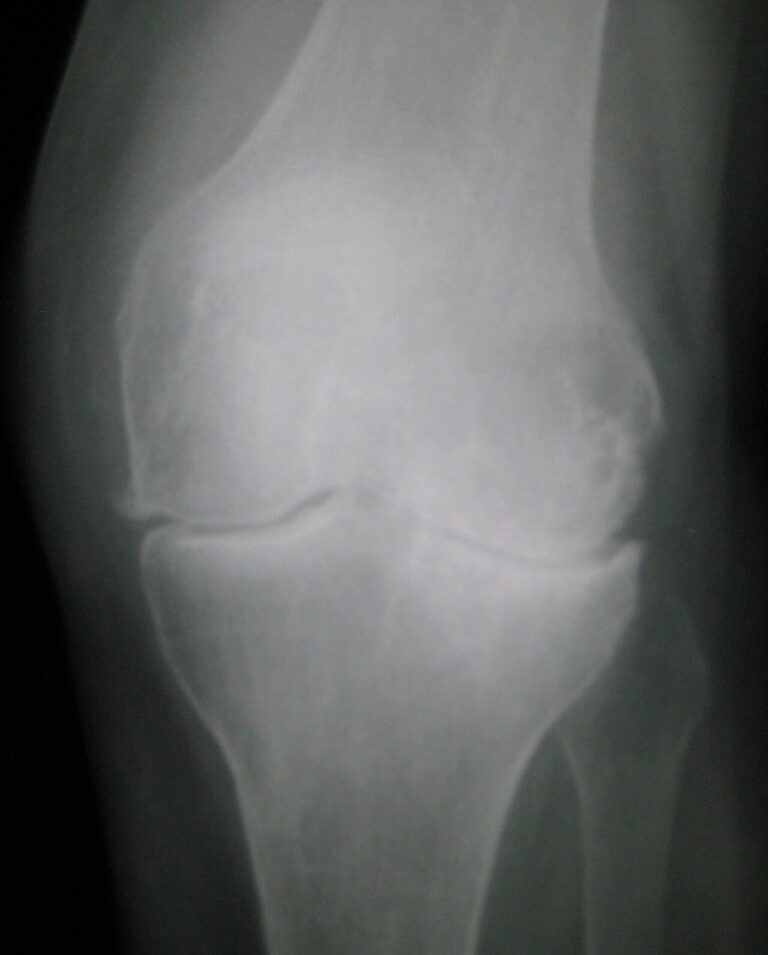
Non-surgical treatments for osteoarthritis of the knee are most effective for patients with mild-to-moderate disease, typically classified as Kellgren-Lawrence grade II or III on X-ray imaging. Ideal candidates include patients who experience knee pain during daily activities but still have some remaining cartilage, those who want to delay or avoid total knee replacement surgery, patients who have not responded well to over-the-counter pain medications alone, and active individuals who want to maintain mobility without surgical downtime.
Patients with severe (grade IV) osteoarthritis — where bone is grinding directly on bone with no remaining cartilage — may still benefit from non-surgical treatments for pain management, though outcomes are typically more limited. A thorough evaluation including imaging and clinical examination helps determine the most appropriate treatment approach. Learn more about the Regenerative Joint Clinics team and their approach to personalized knee osteoarthritis care.
What Should You Expect During a Non-Surgical Knee Treatment?
Non-surgical knee osteoarthritis treatments are typically performed in an outpatient clinic setting and do not require general anesthesia. Most procedures take 15–30 minutes, and patients can usually drive themselves home afterward.
For PRP therapy, the process includes a blood draw, centrifuge processing (approximately 15 minutes), and the injection itself. Some patients experience mild soreness at the injection site for 1–3 days following the procedure. Physicians generally recommend avoiding high-impact activities for 48–72 hours after a PRP injection, but most patients return to normal daily activities immediately.
Hyaluronic acid injections involve essentially no downtime. The injection takes just a few minutes, and patients can typically resume their normal routine the same day. Some patients notice gradual improvement over 2–4 weeks as the hyaluronic acid integrates with the joint fluid.
Are New Knee OA Treatments Covered by Insurance?
Insurance coverage for new treatments for osteoarthritis of the knee varies by treatment type and insurance plan. Viscosupplementation (hyaluronic acid injections) is covered by most insurance plans, including Medicare, which typically pays 80% of the approved amount after the Part B deductible. Unloader braces are classified as durable medical equipment (DME). Coverage depends on your plan and on the supplier who furnishes the brace, so we confirm it before anything is ordered.
PRP therapy coverage varies more widely. While some commercial insurance plans have begun covering PRP for knee osteoarthritis, Medicare does not currently cover PRP in most cases. However, many practices offer competitive self-pay pricing and payment plans to make PRP accessible.
Physical therapy is covered by virtually all insurance plans, including Medicare, though the number of covered sessions may vary. Patients should verify their specific coverage with their insurance provider before beginning treatment.
Frequently Asked Questions About New Knee Osteoarthritis Treatments
What is the newest treatment for knee osteoarthritis?
PRP (platelet-rich plasma) therapy is among the newest and most researched non-surgical treatments for knee osteoarthritis. It uses concentrated growth factors from the patient’s own blood to support joint health and may help reduce inflammation and pain. Clinical studies published through 2025 continue to show promising results, particularly for mild-to-moderate osteoarthritis.
How long do PRP injections last for knee osteoarthritis?
PRP injections for knee osteoarthritis may provide relief lasting 6 to 12 months or longer, depending on the severity of the condition and individual response. Some patients benefit from annual maintenance injections. Studies show that PRP tends to provide longer-lasting relief than cortisone injections. Learn more about what to expect in our guide to PRP injection knee recovery time.
Can you avoid knee replacement with new treatments?
Many patients with mild-to-moderate knee osteoarthritis can significantly delay or avoid knee replacement surgery through non-surgical treatments. A combination of PRP therapy, viscosupplementation, physical therapy (by referral), and bracing can manage symptoms effectively. However, patients with severe end-stage arthritis may eventually require surgical intervention.
Are hyaluronic acid injections safe for the knee?
Hyaluronic acid injections have a well-established safety profile and have been FDA-approved for knee osteoarthritis treatment for over 25 years. Common side effects are mild and temporary, including minor swelling or soreness at the injection site. Unlike cortisone injections, HA has not been shown to cause cartilage damage with repeated use.
Does Medicare cover knee osteoarthritis injections?
Medicare covers hyaluronic acid viscosupplementation injections for knee osteoarthritis, typically paying 80% of the approved amount after the Part B deductible is met. Cortisone injections are also covered. PRP therapy coverage under Medicare varies and is not universally covered at this time. Contact your healthcare provider to verify your specific coverage, or reach out to Regenerative Joint Clinics for assistance with insurance questions.
Take the Next Step Toward Pain Relief
If you are living with knee osteoarthritis and looking for effective non-surgical treatment options, Regenerative Joint Clinics specializes in advanced, non-surgical knee osteoarthritis treatments including PRP therapy, viscosupplementation, and comprehensive joint care programs.
Regenerative Joint Clinics
483 Upper Riverdale Road SW, Suite F
Riverdale, GA 30274
Phone: (470) 895-0610
Email: contact@regenerativejointclinics.com
Schedule Your Consultation
Related reading: Rediscover Life Without Joint Pain — see how the non-surgical Targeted Restoration Protocol combines diagnostics, injections, custom bracing, and physical therapy (by referral) to address the root cause of joint pain.
This article is for informational purposes only and does not constitute medical advice. Consult a qualified healthcare provider to determine the best treatment plan for your individual condition. Results may vary. Regenerative Joint Clinics does not offer surgical procedures, stem cell therapy, or chiropractic services at our Riverdale clinic.
Take the 60 second joint pain quiz. You will get a personalized assessment based on your answers, and our team will follow up with next steps.
Start the quizFor the broader regional picture, see our overview of non-surgical knee osteoarthritis treatment near Atlanta.