Quick answer: Plica syndrome is irritation of a normal fold of tissue inside the knee, most often the fold on the inner side of the kneecap. It causes a nagging ache, clicking or popping, and a catching feeling that is easy to mistake for a torn meniscus. The most useful clue is where it hurts: an irritated plica is usually tender just above the joint line, while a meniscus tear tends to hurt right at the joint line. Most cases settle without surgery through activity changes, a physical therapy program by referral, anti-inflammatory measures, and, when needed, a carefully placed cortisone injection. At Regenerative Joint Clinics in Riverdale, GA, the first step is confirming the fold is the real source of the pain, using a focused exam and in-office diagnostic ultrasound before any injection.
What is plica syndrome?
A plica is a thin fold of the synovial lining, the membrane that wraps the knee joint. It is a leftover from how the knee forms before birth, and most people carry about four of these folds in each knee without ever noticing them, according to the Cleveland Clinic. The one that causes trouble most often sits on the inner side of the kneecap and is called the medial plica. Trouble starts when that fold is irritated by overuse, a twisting strain, or a direct knock. Instead of gliding quietly, it thickens, stiffens, and begins to rub and catch against the end of the thigh bone every time the knee bends and straightens. That ongoing irritation of the fold is what doctors call plica syndrome. The Cleveland Clinic estimates that roughly one in ten people develops this problem at some point, and it is probably underdiagnosed, because the symptoms look so much like other knee conditions.
Here is the part most explainers agree on, and for many people it holds true. Across medical sources, the standard approach to plica syndrome is to treat it without surgery: calm the knee down, change the activities that aggravate it, strengthen the muscles that support the kneecap through a physical therapy program, use anti-inflammatory measures, and reserve a cortisone injection for cases that do not settle on their own. Many people are back to normal activity within four to six weeks of starting that kind of care. What that general answer leaves out is the step that changes what we actually do in the clinic. Because the fold lies so close to the inner meniscus and the kneecap, the same ache and clicking can come from several different structures, so the job is first to confirm the fold is the culprit. At our Riverdale clinic that means a focused exam and an in-office diagnostic ultrasound, which can show a thickened, inflamed fold in real time while the knee moves, before any injection is discussed.
Near Riverdale, GA?
We treat knees, shoulders, hips and backs without surgery at one clinic on Upper Riverdale Road. Send the form or call and our team will confirm your visit.
483 Upper Riverdale Road SW, Suite F, Riverdale, GA 30274. Most major insurance and Medicare accepted. PRP is typically elective and not covered by most plans, and our team can walk you through payment plans through Pathways.
What does an irritated plica feel like?
People with plica syndrome usually feel the pain on the front and inner part of the knee, a little above the kneecap or just beside it. They describe it as a dull ache that flares with activity rather than a sharp, sudden pain. Alongside the ache, three sensations are common:
- Clicking, snapping, or popping as the knee bends and straightens, sometimes loud enough that other people hear it.
- A catching or giving-way feeling, often strongest when you stand up after sitting for a while, which doctors sometimes call pseudolocking because the knee does not truly lock the way a torn meniscus can.
- Pain that worsens with stairs, squatting, kneeling, or running, and eases with rest.
Symptoms tend to come and go. A busy week of walking or a return to the gym can set the knee off, and a few quiet days can calm it. That waxing and waning is itself a clue, because a structural tear usually behaves more consistently.

Why inner knee pain is so often mistaken for a meniscus tear
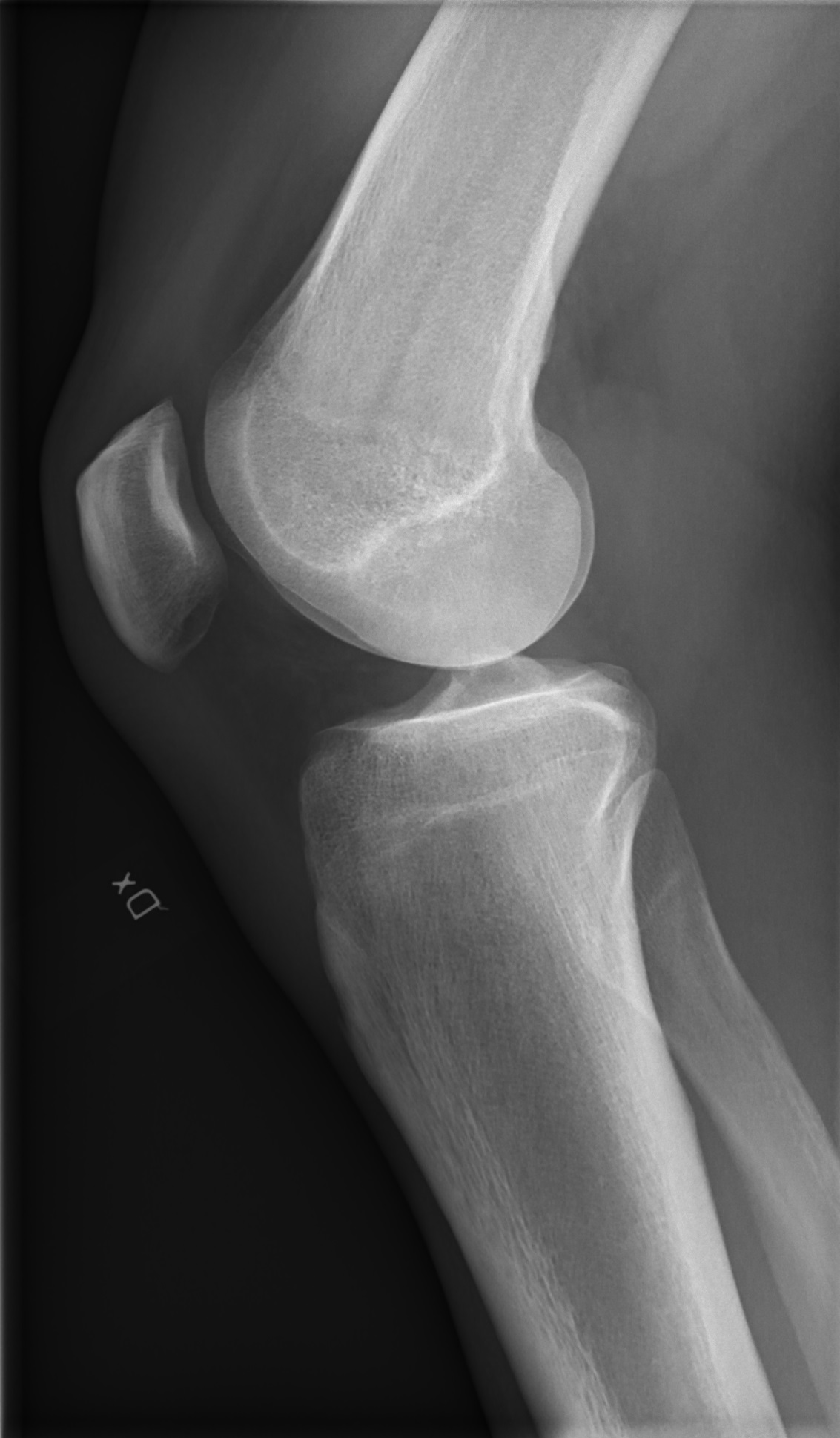
This is the question that matters most, because the wrong label can send someone down the path toward a knee scan and a surgical consult they may not need. Plica syndrome and a torn meniscus both produce inner knee pain, clicking, and a catching feeling, so they are genuinely easy to confuse. The single most practical way to tell them apart is location. As the Cleveland Clinic notes, meniscus pain usually sits right at the joint line, the crease you can feel on the inner side of the knee where the two bones meet, while pain from an irritated fold usually sits a little above that line, closer to the kneecap. A careful examiner can often feel the thickened band and reproduce the click by pressing on it and bending the knee.
Imaging has the same trap. A standard X-ray of this problem is typically normal, and even an MRI often looks unremarkable unless the fold is clearly thickened and the joint is swollen, as clinical reviews of the condition point out (Sports Medicine Review). That is exactly why a dynamic ultrasound, which images the fold while the knee actually moves, is such a useful in-office tool: it can catch a plica that a still picture misses. If you have already been told you might have a meniscus tear and want to understand the non-surgical options, it is worth having the inner fold ruled in or out first.
How the knee is evaluated in Riverdale
A useful evaluation starts with the story: where the pain sits, what sets it off, whether the knee clicks or catches, and how long it has been going on. From there the exam looks for tenderness above the joint line, a palpable band on the inner knee, and a click that can be reproduced on command. Diagnostic musculoskeletal ultrasound adds a live view of the fold and the surrounding soft tissue, and a digital X-ray or fluoroscopy helps rule out arthritis and other bony causes. The point of this step is not to collect scans for their own sake. It is to separate plica syndrome from a meniscus problem, early arthritis, or kneecap cartilage trouble such as chondromalacia patella, because each of those is managed differently. Getting the cause right is what keeps the plan focused and keeps people off treatments they do not need, and it is the backbone of non-surgical joint pain care at our Riverdale clinic.
Another anterior-knee problem worth ruling in or out is fat pad impingement, where the soft cushion just beneath the kneecap becomes pinched and tender and can mimic an irritated fold.
Non-surgical treatment options
The large majority of people with plica syndrome improve without surgery, and the plan is built in steps, starting with the gentlest measures. The first four below are the mainstay for plica syndrome itself; the last three come into play when the irritation sits alongside knee arthritis or cartilage wear, which is common in adults.
- Activity modification. Easing back on the squatting, kneeling, deep knee bends, and high-impact work that compress the fold gives the irritation a chance to settle. This is often the single most effective early step.
- Physical therapy, by referral. A guided program that strengthens the quadriceps and hip muscles and stretches the hamstrings takes pressure off the kneecap and the inner fold. Regenerative Joint Clinics coordinates physical therapy through referral and provides home-exercise guidance so the gains continue between visits.
- Anti-inflammatory measures. Ice after activity and, when appropriate for you, an over-the-counter anti-inflammatory can quiet a flare. Your provider will advise whether these are safe given your other medications and health conditions.
- Image-guided corticosteroid injection. When the fold stays angry despite activity changes and therapy, a precisely placed cortisone injection can calm the inflammation and is widely used as a second-line option. Steroid injections are limited in how often they are given, typically a few times a year per joint.
- Hyaluronic acid (gel) injection. When the irritated fold sits in a knee that also has osteoarthritis, a gel injection can help lubricate and cushion the joint as part of the broader knee plan.
- Platelet-rich plasma (PRP). For knees with cartilage irritation or early degeneration, PRP, which is prepared from a small sample of your own blood, is an option some patients choose. PRP uses your own platelets; it is not stem cell therapy. You can read how PRP knee recovery tends to unfold week by week before deciding.
- Unloader knee bracing. A fitted brace that shifts load away from the irritated inner compartment can ease symptoms during the day while the knee calms down.
Most people never need more than the first few steps. The aim of the whole plan is to settle the fold and the knee around it so the catching and the ache fade, without an operation.
When is surgery considered?
Surgery is the exception, not the rule, and it is reserved for the small number of people whose plica syndrome stays symptomatic after several months of genuine non-surgical care. In those cases an orthopedic surgeon may consider arthroscopic removal of the thickened fold through a small keyhole procedure. Regenerative Joint Clinics does not perform surgery; the entire purpose of the care here is to help the knee settle without it, and when a surgical opinion is the right next step, we refer out to the appropriate specialist. For most people, the realistic goal is lasting relief from non-surgical measures, not an operation.
How long does recovery take?
With consistent non-surgical care, many people with plica syndrome feel meaningfully better within four to six weeks, though a stubborn case can take longer. Younger knees and shorter-lived symptoms tend to respond fastest. The one pattern worth guarding against is the return trip: if the underlying cause, such as weak supporting muscles, a sudden jump in activity, or coexisting arthritis, is never addressed, the fold can flare again. That is why the plan pairs short-term relief with the strengthening and load changes that keep it quiet for the long run.
Common questions
Getting inner knee pain evaluated in Riverdale, GA
Nagging pain and clicking on the inner knee is usually treatable, and it is usually fixable without surgery once the real cause is pinned down. If your knee aches above the joint line, clicks or catches, and flares with stairs and squatting, an evaluation at Regenerative Joint Clinics is a sensible next step. We are a single clinic at 483 Upper Riverdale Road SW, Suite F, Riverdale, GA 30274, and we treat knees, shoulders, hips and backs without surgery. Call (470) 895-0610, email contact@regenerativejointclinics.com, or use our contact page to reach us.
This article is for general education and is not medical advice or a diagnosis. Consult your healthcare provider before starting any new treatment.